
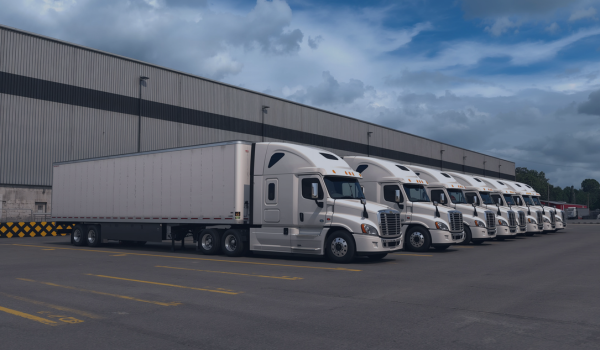
A practical guide to protecting your commercial vehicles, and your business, before, during, and after a catastrophic event.
When a hurricane makes landfall, a wildfire jumps a ridge, or a flash flood overtakes a highway, commercial fleets are among the most vulnerable assets a business owns. Vehicles parked in low-lying lots, equipment stored in exposed facilities, and drivers caught in the field face risks that a standard auto policy may not fully address. The companies that weather these events best share one thing in common: they plan ahead and buy the right insurance.
Here's what a comprehensive, commercial-vehicle, natural-disaster protection plan looks like, and how to build one before you need it.
Start With the Right Insurance Foundation
The most important first step is an honest review of your current commercial auto policies. Comprehensive coverage, which covers non-collision events like fire, wind, hail, and theft, is essential for fleet protection. But many businesses discover too late that their standard policies exclude flood damage entirely.
Flood coverage for commercial vehicles typically requires a separate policy, often through the National Flood Insurance Program (NFIP) or a specialized commercial insurance company. Don't assume it's included.
Work with your broker to identify gaps in your coverage and explore options like parametric insurance, which triggers automatic payouts based on objective thresholds such as wind speed or rainfall totals, with no lengthy claims adjustment required. For larger fleets, captive insurance structures may offer greater control over coverage design and long-term cost management.
Build an Asset Protection Strategy
Insurance pays for losses after they occur. A relocation plan helps prevent them. Identify your highest-value and most operationally critical vehicles, and designate safe areas, inland, elevated, or covered, where they can be moved when a threat is approaching. Assign responsibility clearly: who calls the move, and how much lead time is needed?
Don't stop at vehicles. Secure fuel storage, loose equipment, and trailers. Review your facility's vulnerability to wind, water, and fire. Small pre-disaster investments in tie-downs, flood barriers, or covered parking can significantly reduce the severity of a loss event.
Establish Emergency Communication Protocols
A disaster plan only works if people know about it and can act on it. Create documented communication trees that reach drivers in the field, dispatch teams, customers expecting deliveries, and key vendors. Define who sends what message, through which channel, and at what trigger point.
Test these protocols at least annually. Tabletop exercises reveal gaps that no one notices when everything is calm. Post-disaster communication matters just as much. Customers and partners need clear, timely updates on service disruptions and recovery timelines.
Document Everything, Before It Matters
A detailed, current inventory of every vehicle and piece of equipment in your fleet is the foundation of an effective insurance claim. Photographs, VIN records, mileage logs, and maintenance histories stored digitally, and backed up off-site, streamline the claims process and reduce disputes. Update this documentation whenever you add, retire, or significantly modify fleet assets.
Post-Disaster: Don't Rush Back to Service
After a natural disaster, the pressure to resume operations can be intense. Resist the urge to put vehicles back on the road before they've been properly inspected. Hidden water intrusion, rust in brake lines, damaged electrical systems, and compromised structural components may not be immediately visible but can create serious safety hazards and additional liability exposure.
Establish a formal post-event inspection checklist and work with qualified mechanics before clearing any vehicle for return to service. File insurance claims promptly and document all damage thoroughly.
One More Resource Worth Bookmarking
When a federally declared disaster affects your operating area, the Federal Motor Carrier Safety Administration (FMCSA) may issue emergency declarations, waivers, and exemptions that allow carriers to expedite delivery of relief supplies or operate outside normal HOS restrictions. Monitor the FMCSA website during active disaster events to understand what options may be available for your operation.
Natural disasters are unpredictable; your response to them shouldn't be. RMC Group works with commercial fleet operators to review coverage, identify vulnerabilities, and build resilience plans that protect both your assets and your people. Contact our commercial lines team to schedule a fleet risk review today at 239-298-8210 or rmc@rmcgp.com.

-Jun-01-2026-09-11-11-7643-PM.png)
-May-28-2026-04-06-00-2941-PM.png)